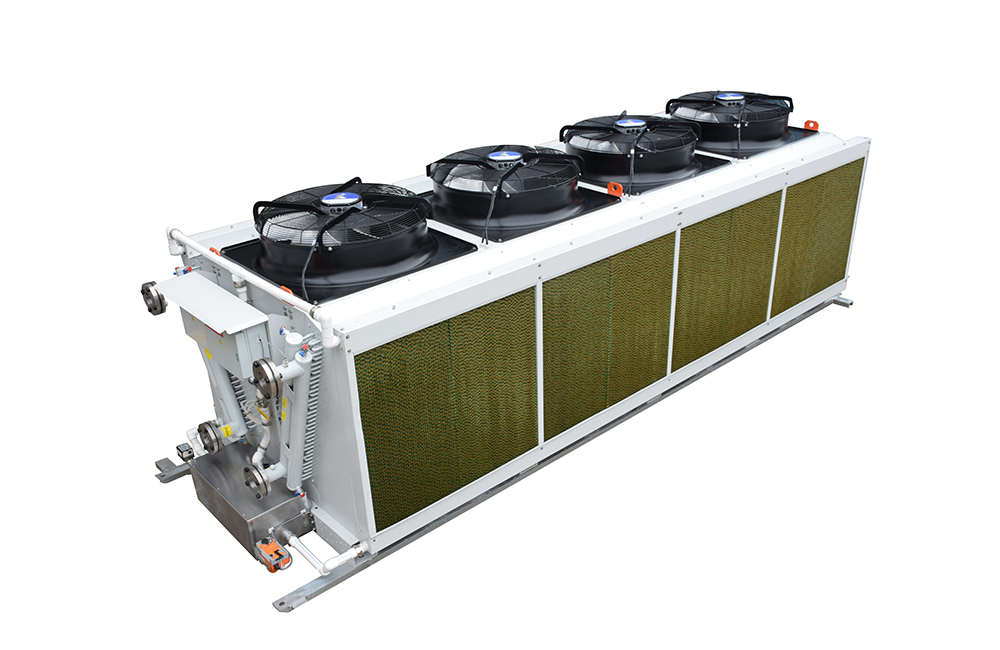
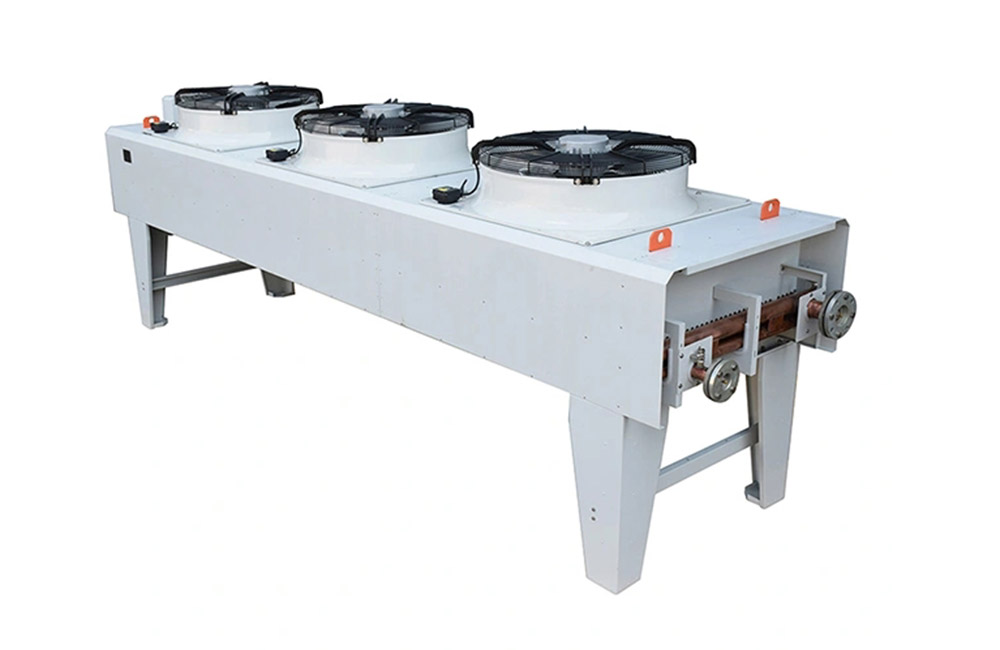
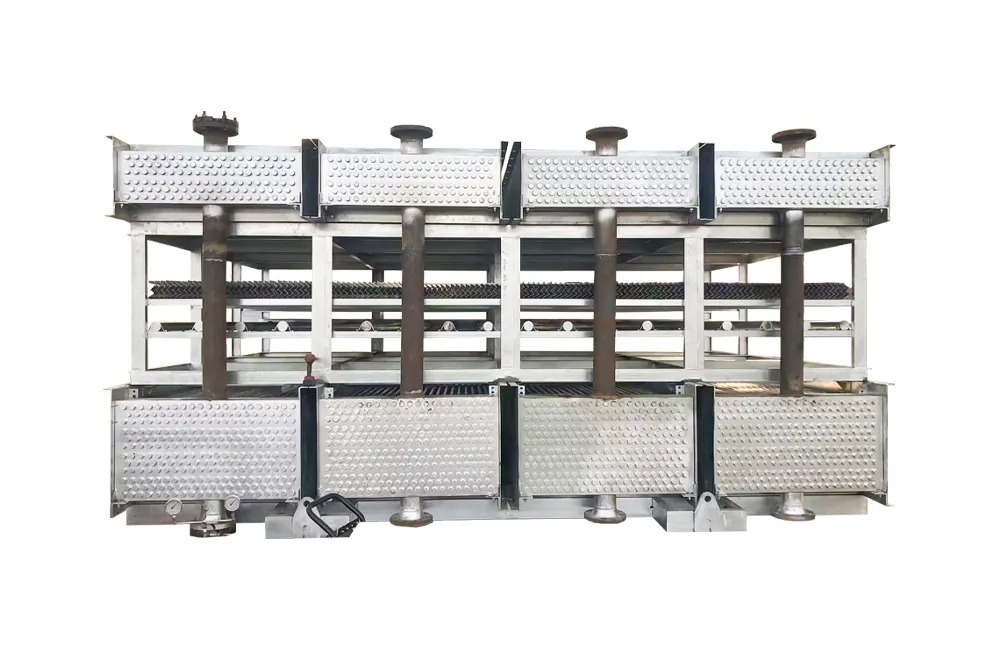
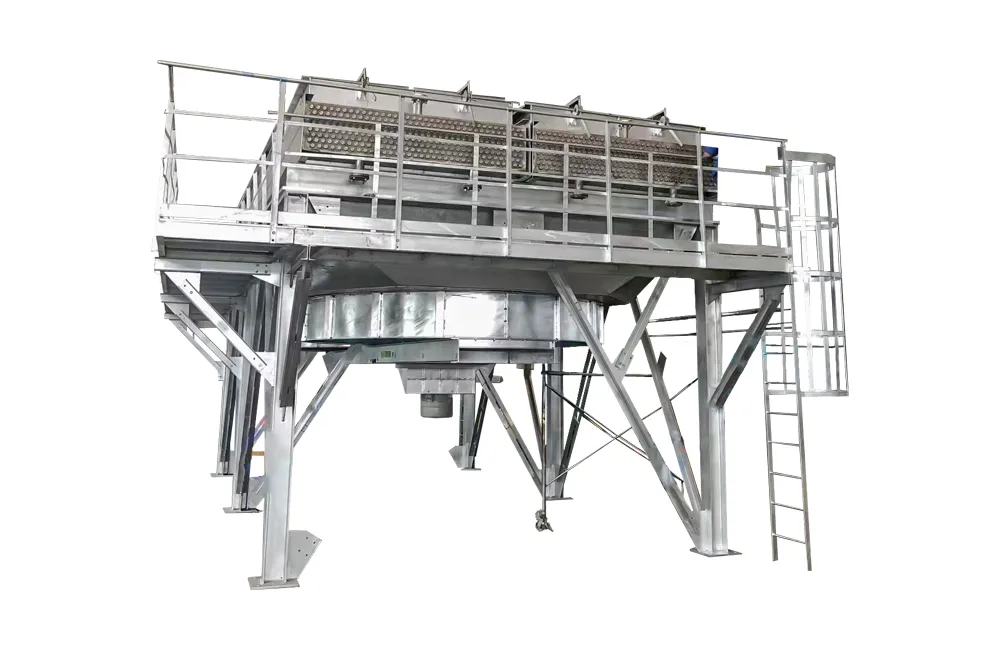
Heating, ventilation, and air conditioning systems play an essential role in maintaining suitable indoor environments across industrial and commercial facilities. Different industries have specific requirements for temperature control, air distribution, ventilation, and air quality. Packaged Rooftop Units and Air Handling Units are two widely used HVAC solutions that address these needs through different system configurations.
VENTTK provides HVAC equipment designed to support diverse project requirements, including pharmaceutical manufacturing, offshore oil and gas operations, desalination facilities, and chemical processing plants.
Understanding Packaged Rooftop Units and Air Handling Units
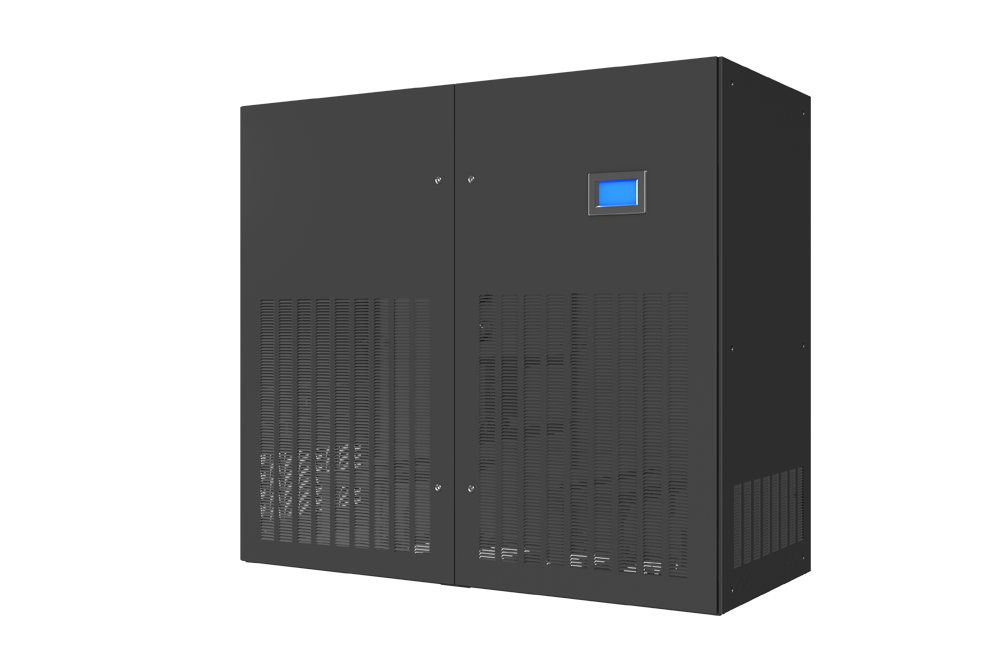
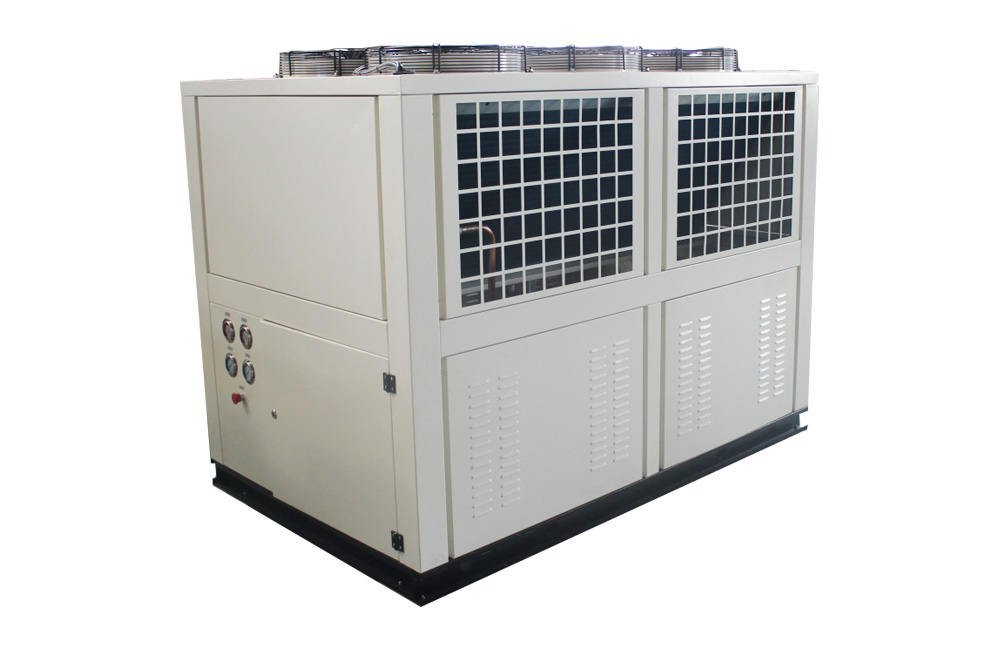
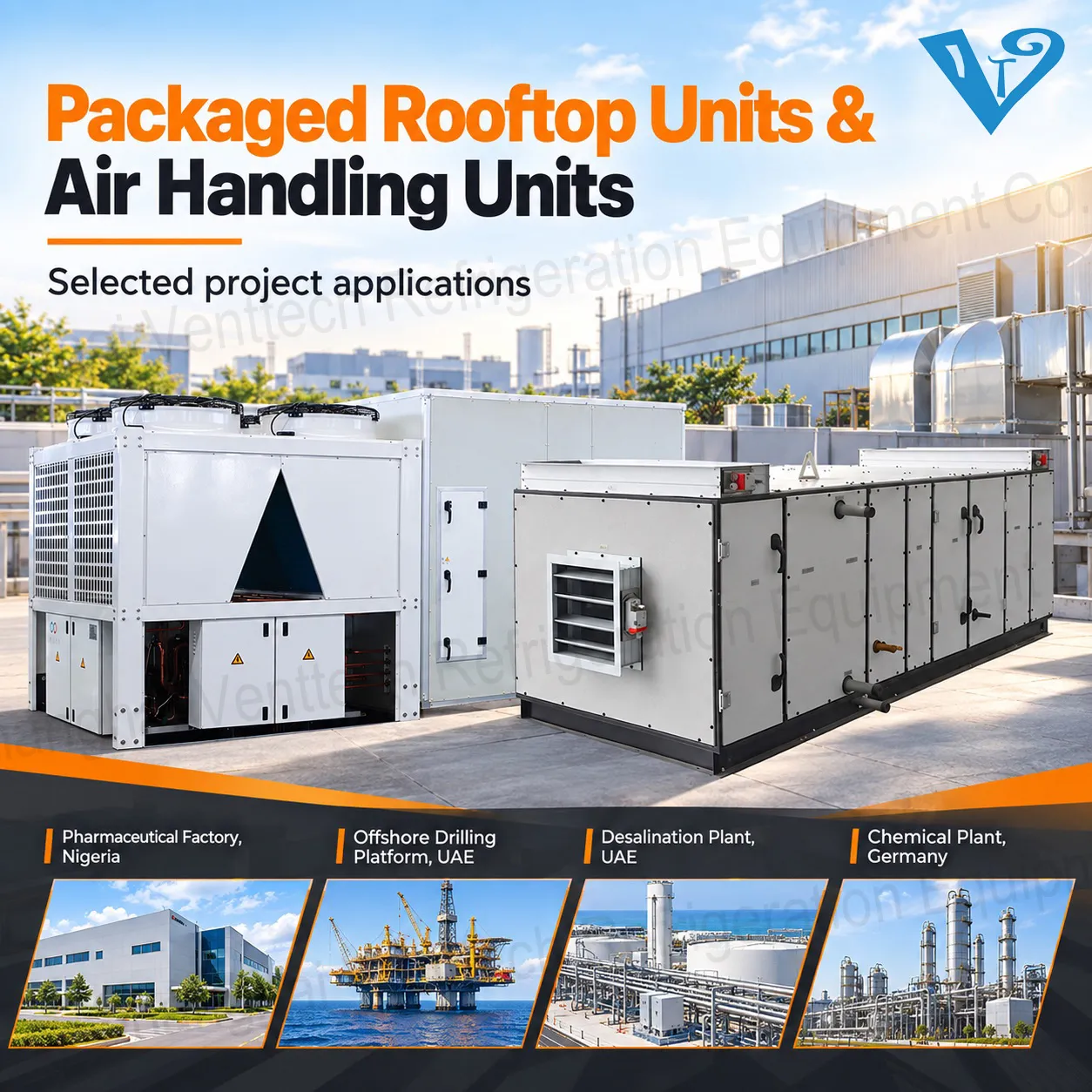
Packaged Rooftop Units integrate major refrigeration and air-conditioning components into a single cabinet. Typically installed outdoors, often on building rooftops, these units combine cooling, heating (where configured), air circulation, and filtration functions within one system. Their integrated design simplifies installation and can reduce the need for extensive indoor equipment space. They are particularly suitable for facilities requiring centralized air conditioning with relatively straightforward system integration.
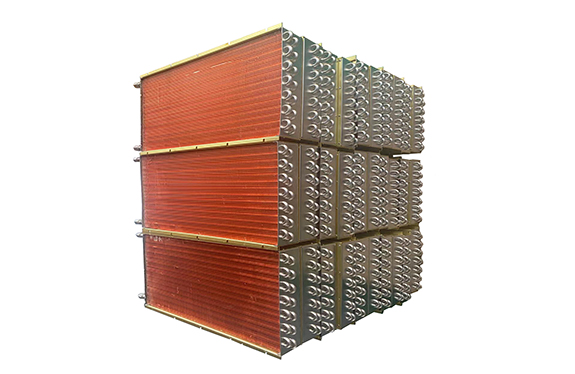
Air Handling Units, on the other hand, are designed primarily to condition and distribute air through a connected ductwork system. Depending on project requirements, an AHU can incorporate filtration sections, cooling or heating coils, fans, mixing chambers, humidification components, and heat recovery devices. Its modular configuration allows engineers to customize airflow, filtration efficiency, temperature, and humidity control for different operating environments.
Although both systems support indoor climate management, their configurations and application priorities differ. RTUs offer an integrated approach to air conditioning, while AHUs provide greater flexibility in air treatment and system configuration.
Applications Across Different Industries
The selection of HVAC equipment depends heavily on the operating environment and process requirements.
1.Pharmaceutical Factories – Nigeria: Pharmaceutical production requires controlled environmental conditions. AHUs equipped with suitable filtration systems help manage airborne particles and maintain the required air quality in designated production areas.
2.Offshore Drilling Platforms – UAE: Offshore installations face demanding environmental conditions, including high humidity, salt exposure, and limited installation space. HVAC equipment must be selected with appropriate corrosion protection and reliable operation in mind.
3.Desalination Plants – UAE: Industrial facilities require dependable ventilation and temperature management to support equipment operation and personnel comfort. HVAC configurations should account for the surrounding marine environment.
4.Chemical Plants – Germany: Chemical processing facilities may involve heat-generating equipment, airborne contaminants, and specific ventilation requirements. Proper air treatment and equipment selection contribute to a more controlled working environment.
Key Factors in HVAC System Selection
Choosing between a packaged rooftop unit and an air handling unit requires consideration of several factors, including building layout, cooling and heating loads, required airflow, filtration efficiency, indoor environmental conditions, and installation limitations. In industrial projects, environmental protection, material selection, maintenance accessibility, and long-term operating reliability are also important considerations.
VENTTK: Supporting Diverse HVAC Applications
VENTTK focuses on providing HVAC equipment solutions tailored to different industrial and commercial applications. By considering project conditions, technical specifications, and operational requirements, we help customers identify suitable rooftop units and air handling systems for their facilities.
From manufacturing plants to offshore installations and industrial processing facilities, reliable HVAC design contributes to better environmental control and more stable facility operation.