As data centers continue to expand in scale and computing density, efficient heat rejection has become an essential part of reliable cooling system design. Selecting the appropriate heat rejection equipment directly affects energy consumption, water usage, operating costs, and long-term system performance.
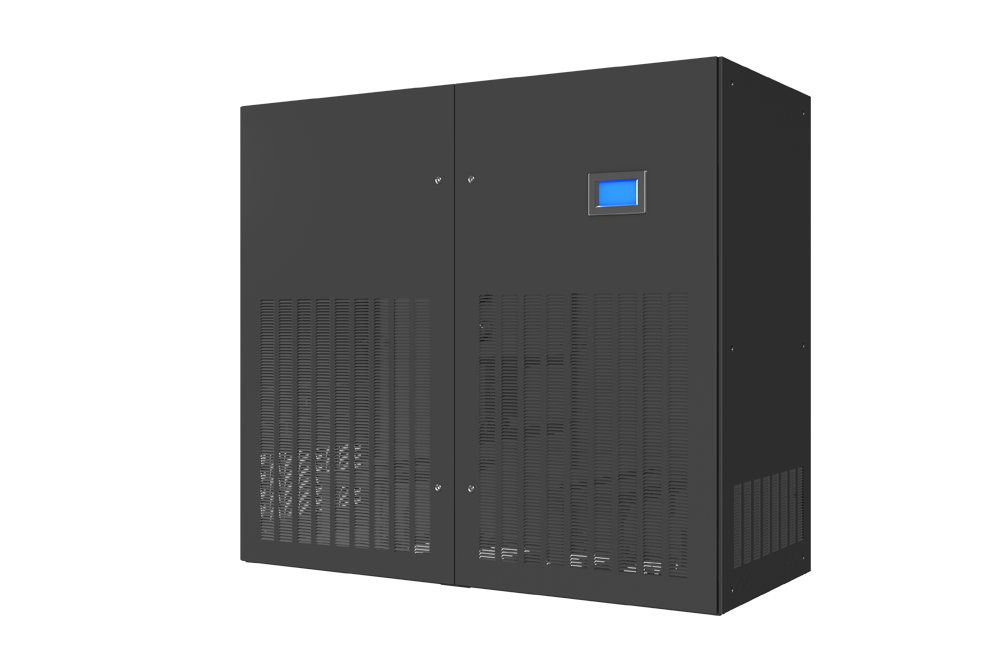
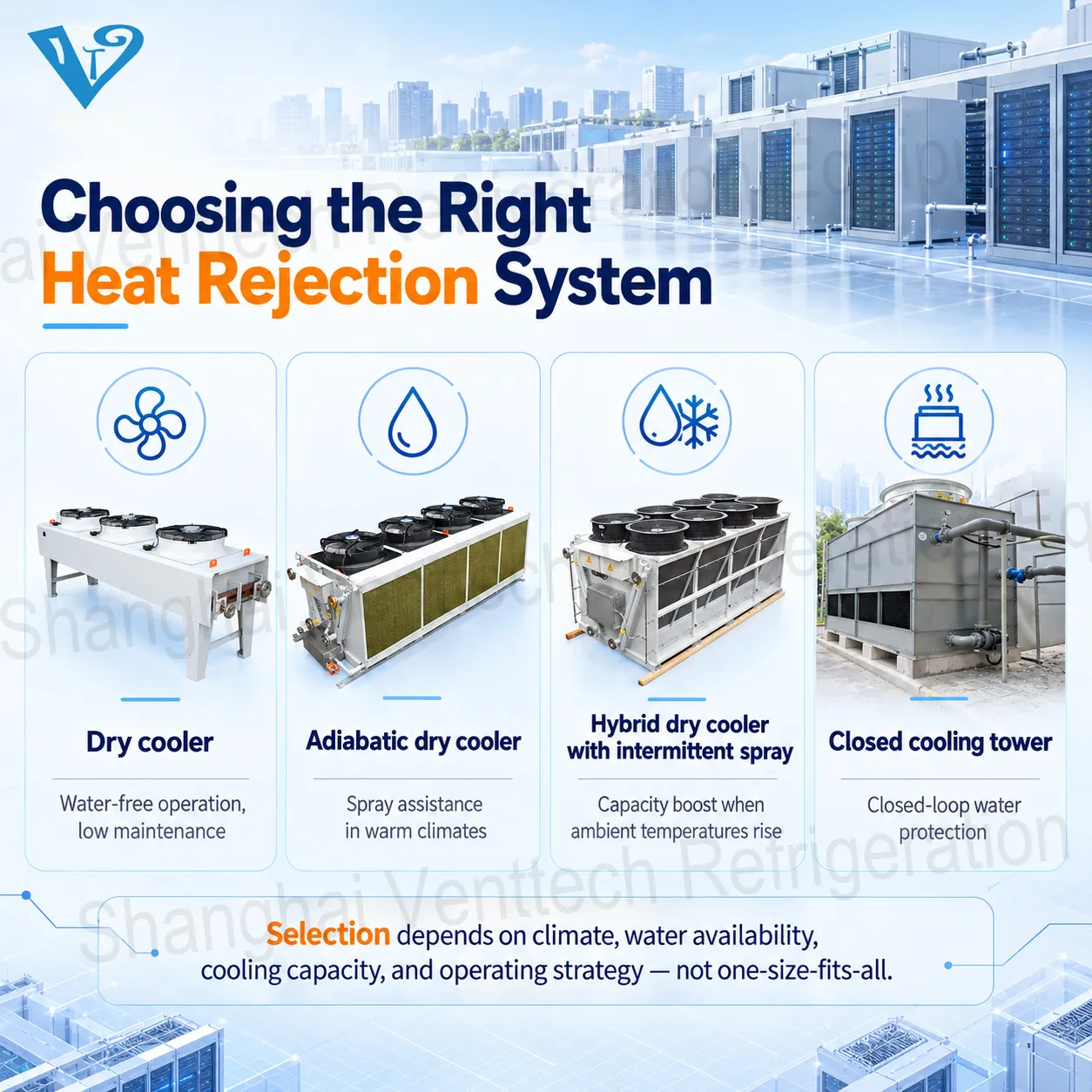
Different cooling technologies offer different advantages depending on environmental conditions and project requirements. Four commonly used solutions include dry coolers, adiabatic dry coolers, hybrid dry coolers with intermittent spray, and closed cooling towers.
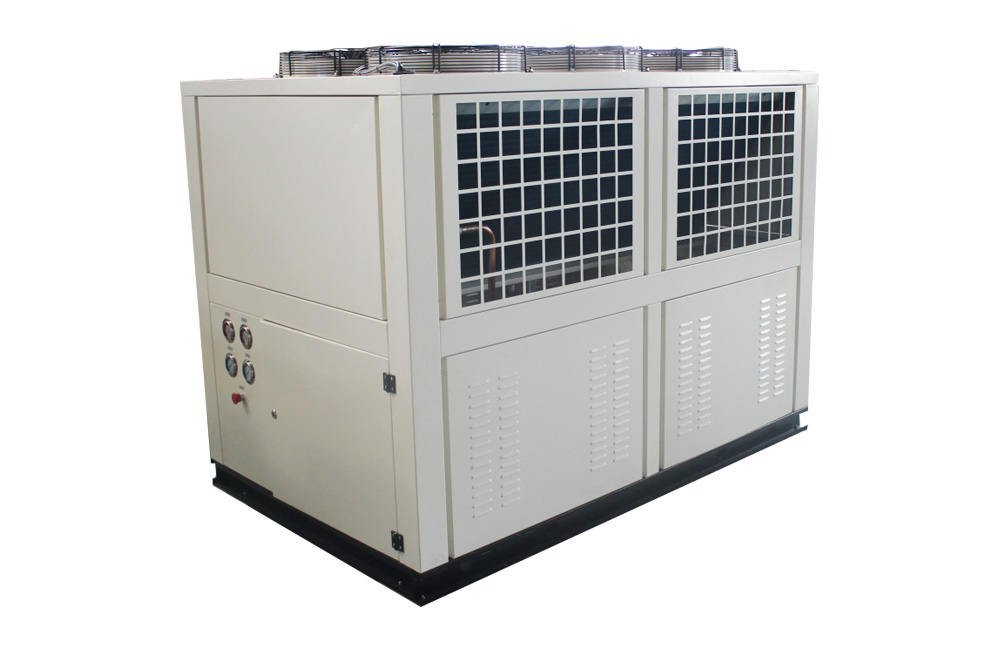
1. Dry Coolers: Water-Free and Low-Maintenance Operation
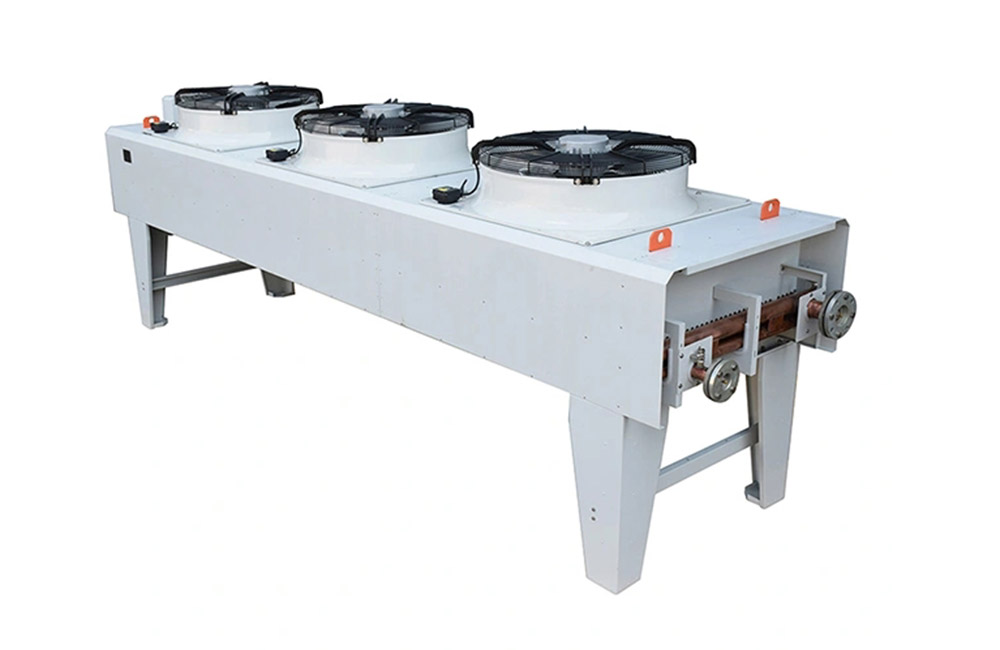
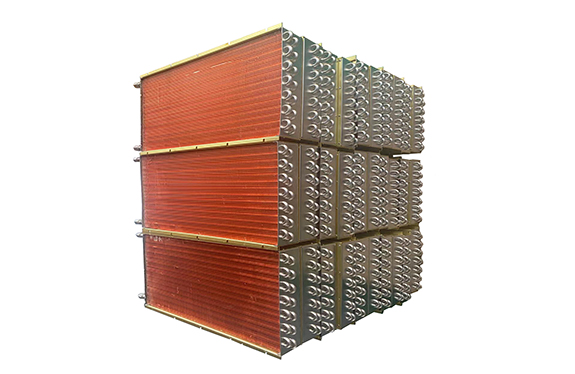
Dry coolers transfer heat from circulating fluid to ambient air through finned heat exchangers and fans. The process does not require evaporative water consumption, making dry coolers a practical choice for facilities located in regions with limited water resources.
Their relatively simple structure reduces water treatment requirements and routine maintenance. However, cooling performance depends heavily on ambient air temperature. In particularly hot climates, additional cooling capacity or supplementary cooling equipment may be necessary.
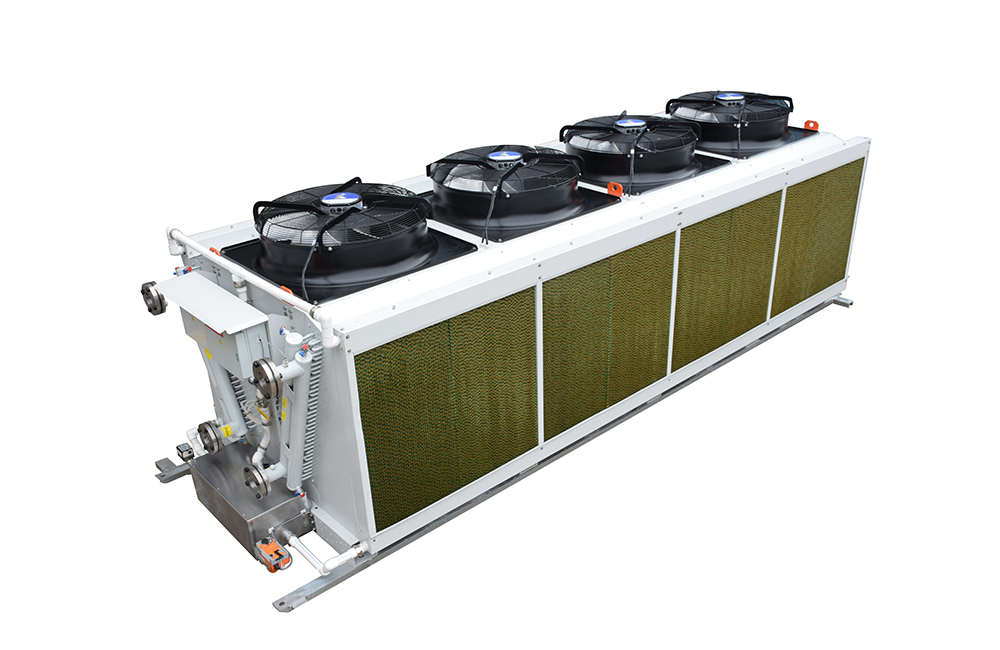
Adiabatic dry coolers combine conventional air cooling with evaporative pre-cooling. Water is used to reduce the temperature of incoming air before it passes through the heat exchanger, improving heat transfer efficiency when outdoor temperatures increase.
This technology provides a balance between water conservation and cooling performance. Compared with traditional dry coolers, adiabatic systems can maintain more favorable operating conditions during warm weather while limiting water consumption to periods when additional cooling is required.
3. Hybrid Dry Coolers: Flexible Cooling Through Intermittent Spray
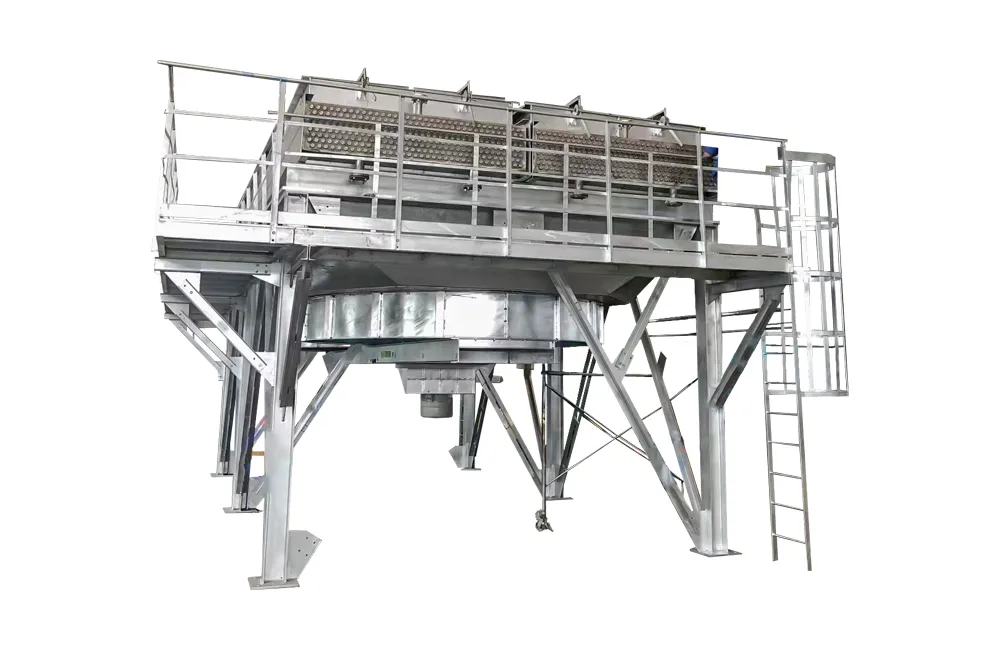
Hybrid dry coolers with intermittent spray provide another approach to managing changing ambient conditions. Under normal operating conditions, the equipment operates in dry mode. When outdoor temperatures rise or cooling demand increases, a spray system is activated to improve heat rejection capacity.
This operating strategy helps reduce unnecessary water consumption while providing additional cooling support during peak temperature periods. It is particularly suitable for data centers with variable cooling loads and seasonal temperature fluctuations.
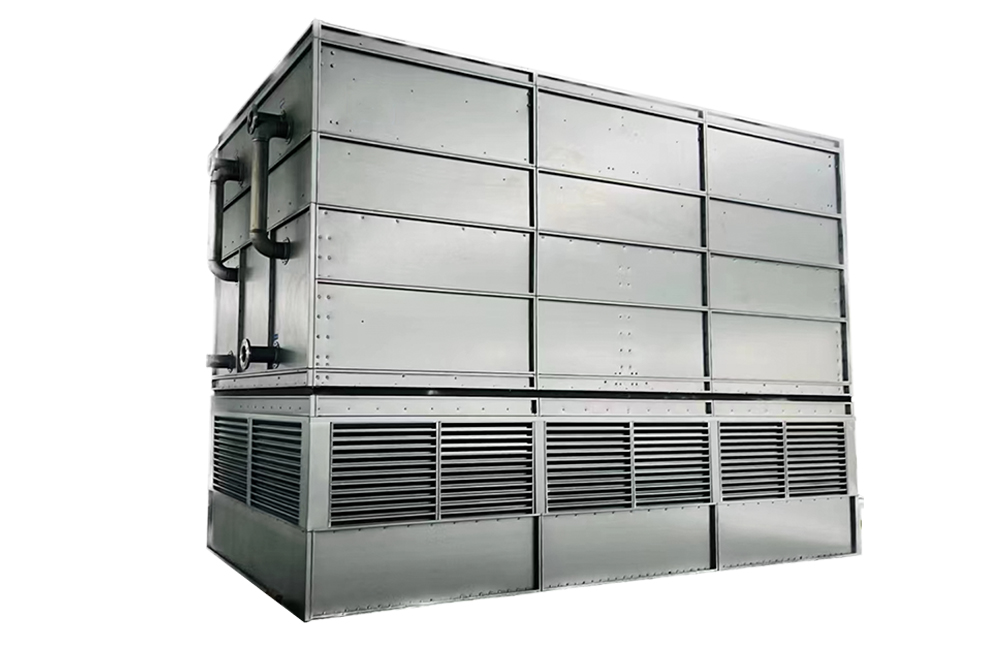
4. Closed Cooling Towers: Efficient Heat Rejection with Fluid Protection
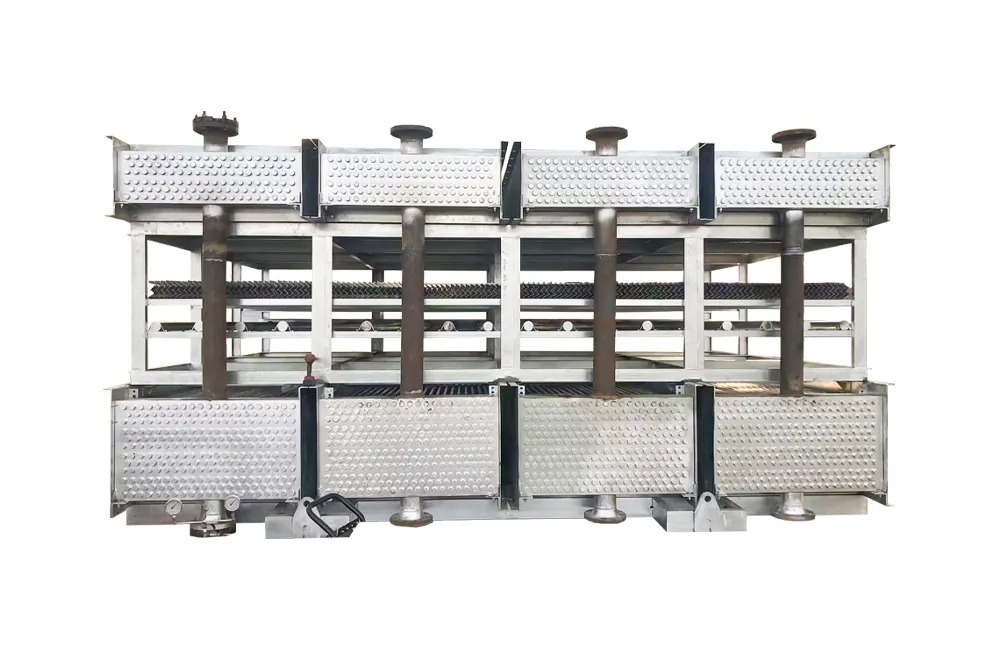
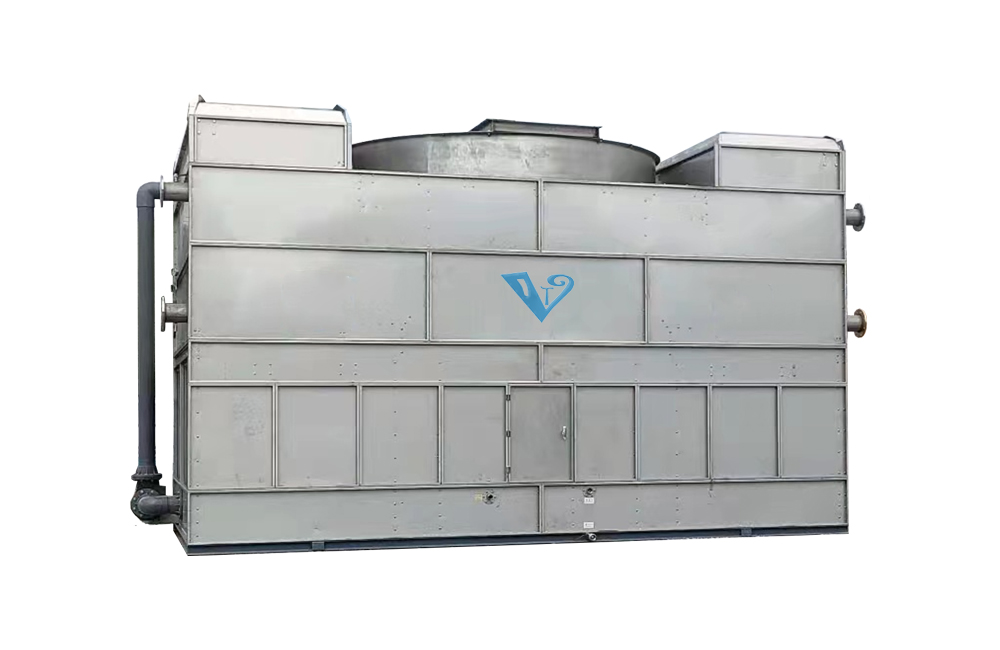
Closed cooling towers use an indirect heat exchange process to remove heat from circulating fluid. The process fluid flows through enclosed coils, while air and spray water facilitate heat dissipation outside the coils.
This configuration helps protect the internal circulating fluid from direct environmental exposure, reducing the risk of contamination and supporting stable system operation. Closed cooling towers are suitable for projects requiring closed-loop fluid circulation and effective heat rejection.
Key Factors in Heat Rejection System Selection
There is no universal solution for every data center project. Equipment selection should consider several essential factors:
(1)Climate conditions: Ambient temperature and humidity influence cooling efficiency and seasonal performance.
(2)Water availability: Water resources and local operating costs determine whether evaporative or adiabatic technologies are practical.
(3)Cooling capacity: Equipment must match the actual heat load and allow for potential future expansion.
(4)Operating strategy: Energy efficiency, maintenance requirements, water consumption, and overall lifecycle costs should be evaluated together.
Engineering the Right Cooling Solution
Selecting an appropriate heat rejection system requires a comprehensive understanding of project conditions rather than focusing on equipment capacity alone. Dry coolers, adiabatic systems, hybrid solutions, and closed cooling towers each offer distinct advantages for different operating environments.
VENTTK provides industrial cooling equipment and integrated cooling solutions for diverse applications, including data center infrastructure. By evaluating climate conditions, cooling loads, water availability, and operational requirements, project developers can identify a suitable heat rejection configuration that supports reliable performance and long-term efficiency.