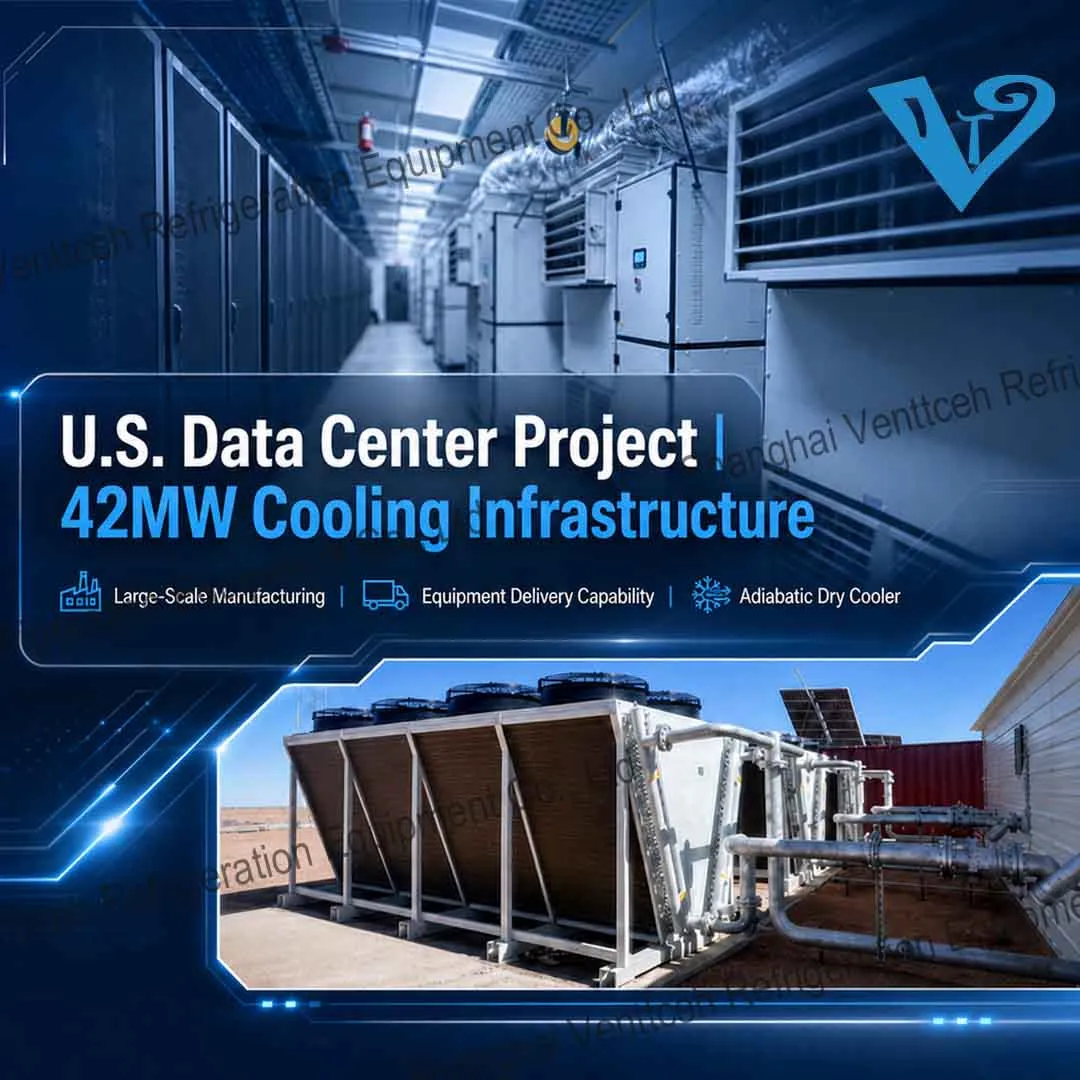
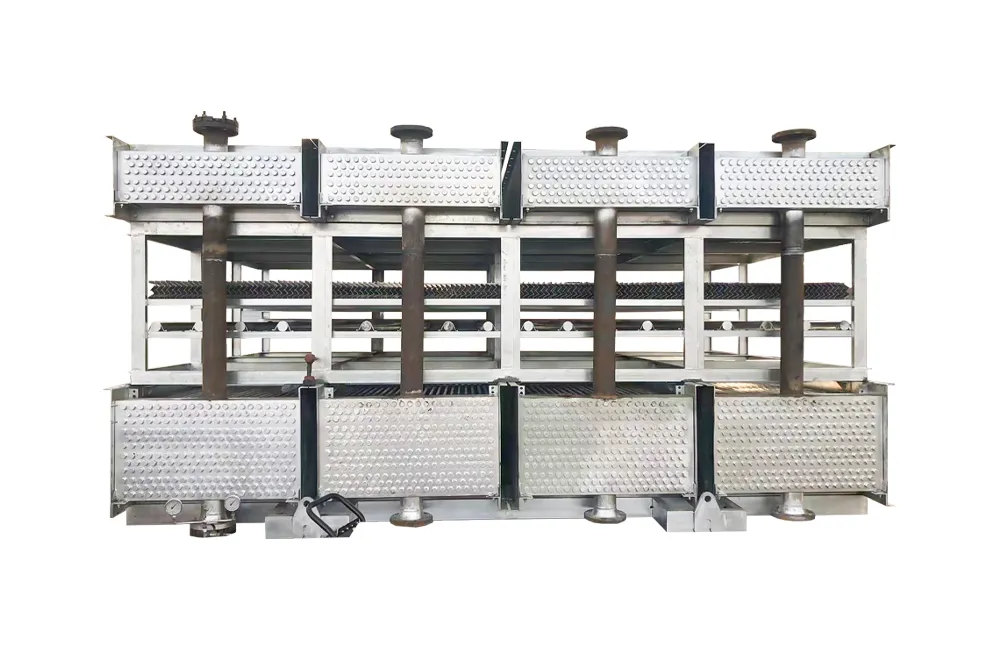
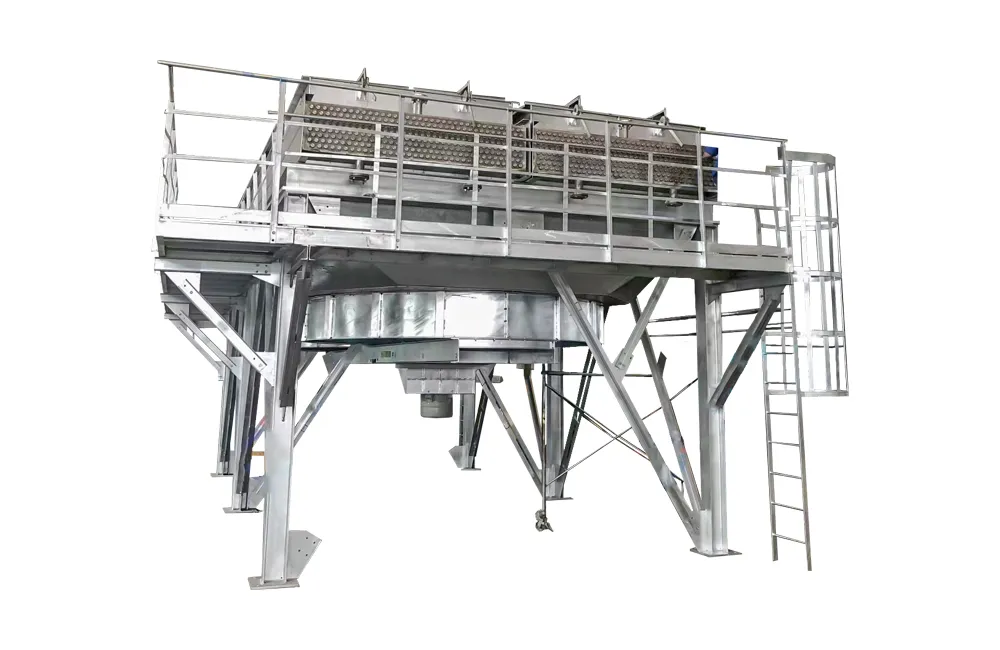
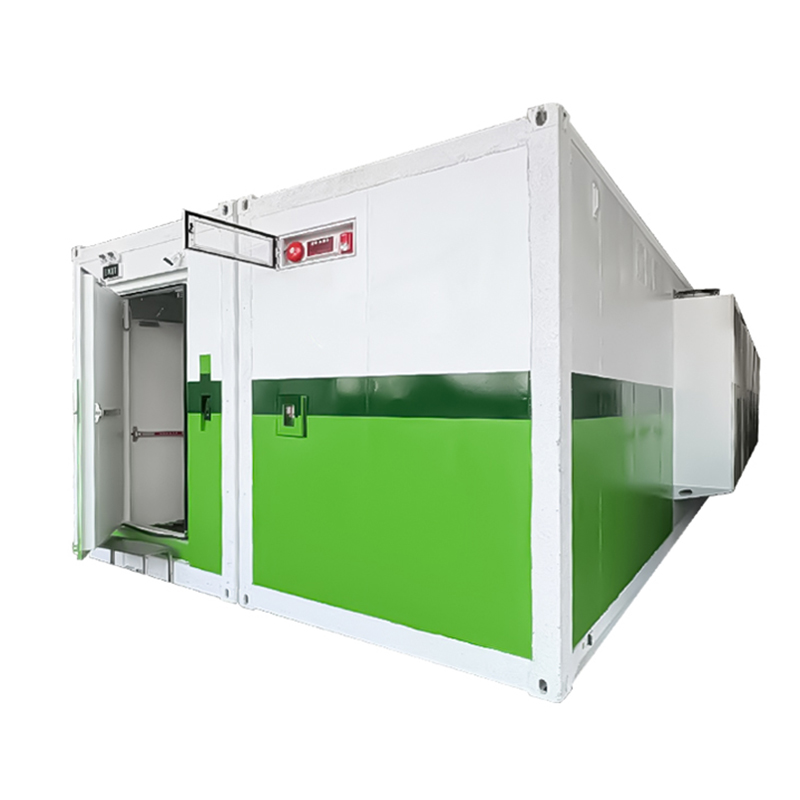
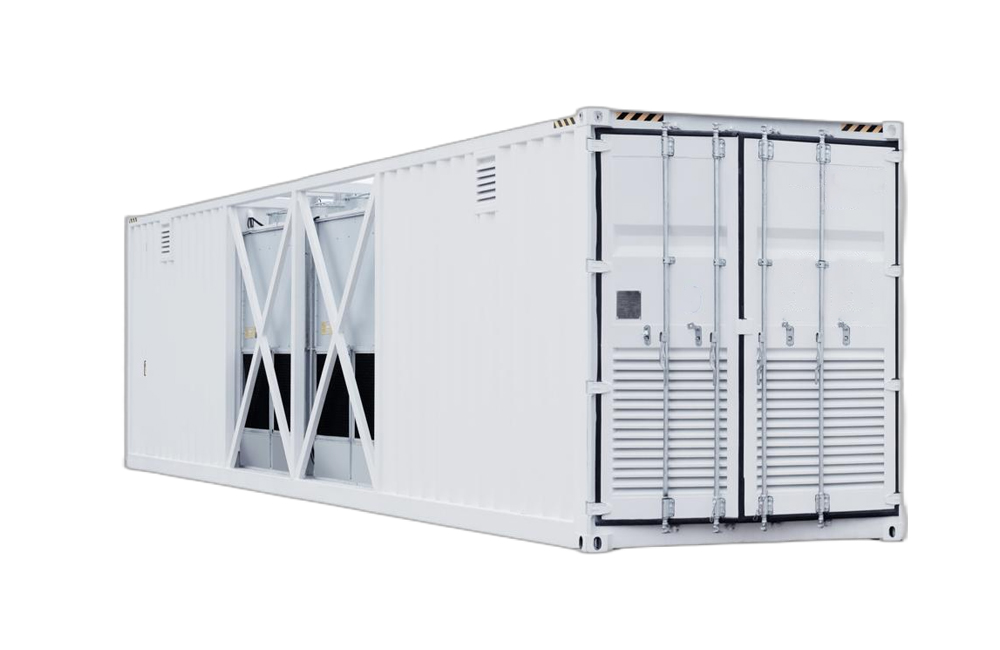
As data centers continue to expand to support AI computing, cloud services, and high-density server applications, reliable heat rejection has become a key consideration in cooling system design. In a US data center project featuring 42 MW of cooling infrastructure, adiabatic dry coolers demonstrate how properly selected heat rejection equipment can support large-scale cooling requirements. This project highlights an important question for data center developers and operators: how should you select the right dry cooler for your facility?
Choosing a dry cooler involves more than comparing cooling capacities. Engineers must evaluate the site's climate, heat load, fluid conditions, energy consumption, water availability, installation space, and long-term operating requirements.
1. Determine the Required Cooling Capacity
The first step is to calculate the total heat that needs to be rejected by the cooling system. The required capacity depends on IT loads, supporting equipment, system design, and expected operating conditions.
For large data centers, multiple dry coolers may be arranged in parallel to meet the total heat rejection demand. Equipment selection should also account for peak ambient temperatures, future capacity expansion, and appropriate redundancy where required. Accurate load calculations help avoid undersized equipment and unnecessary capital expenditure.
2. Evaluate Local Climate Conditions
Ambient temperature directly affects dry cooler performance. In cooler climates, dry coolers can dissipate heat efficiently using outdoor air. However, when ambient temperatures rise, the temperature difference between the cooling fluid and outdoor air becomes smaller, potentially reducing heat rejection capacity.
For projects in hot or dry regions, adiabatic dry coolers can provide additional cooling assistance. By pre-cooling the incoming air through water evaporation, an adiabatic system can improve heat rejection performance under suitable conditions. This makes it an option worth evaluating for data centers operating in challenging climates.
3. Consider Water Consumption and Energy Efficiency
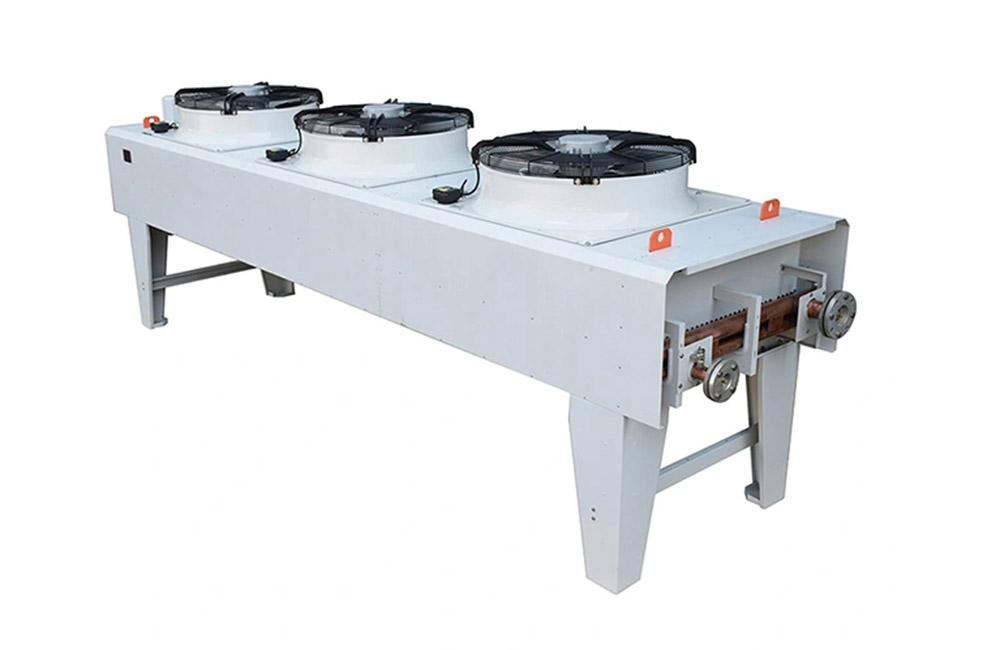
Unlike conventional evaporative cooling equipment, a standard dry cooler rejects heat without continuously evaporating water. This can be beneficial in locations where water conservation is a priority.
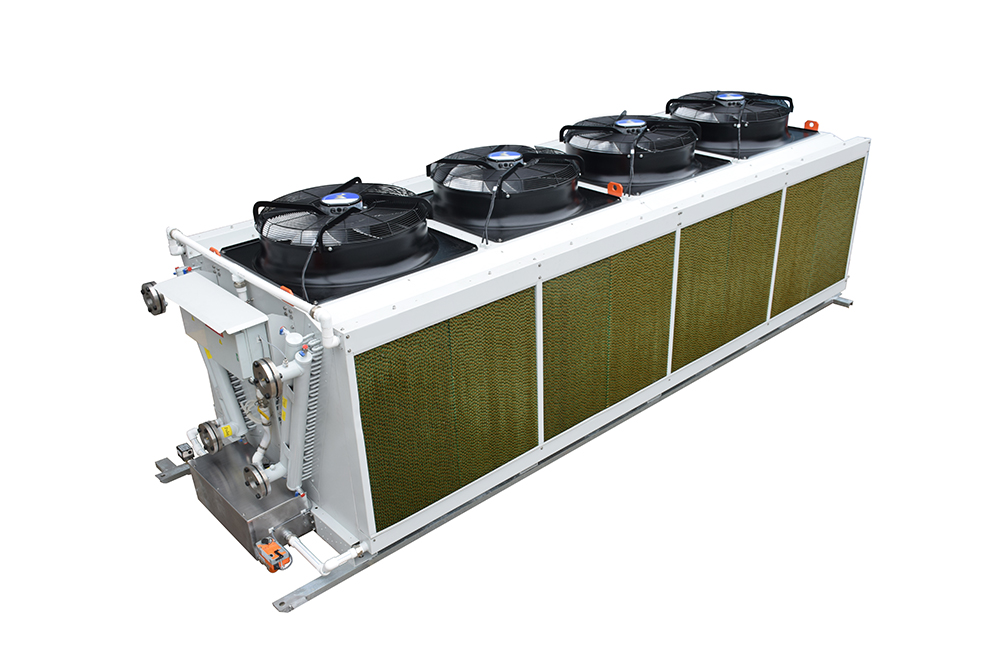
Adiabatic dry coolers use water during suitable operating conditions to lower the entering air temperature. Their water consumption depends on climate, operating hours, control settings, and system design. When selecting equipment, operators should compare fan power, water usage, annual energy consumption, and the expected operating profile rather than relying on a single performance figure.
4. Check Fluid Conditions and System Compatibility
Dry cooler performance depends on the circulating fluid, its flow rate, and the required inlet and outlet temperatures. Data center projects may use water or a water-glycol mixture, depending on the system design and local climate.
Engineers should confirm the design heat load, fluid properties, temperature range, pressure drop limits, and connection requirements before selecting a model. Materials and corrosion protection should also be appropriate for the installation environment to support long-term reliability.
5. Plan for Installation, Maintenance, and Reliability
Large-scale data center cooling systems require careful planning for equipment layout, airflow, piping, access, and maintenance. Dry coolers should be installed where sufficient airflow is available and hot exhaust air is unlikely to recirculate into the air intake.
For critical facilities, the cooling system should also be evaluated for redundancy, serviceability, and performance during seasonal changes. Working with an experienced equipment supplier can help project teams coordinate capacity, configuration, and site-specific requirements.
VENTTK Dry Coolers for Data Center Cooling
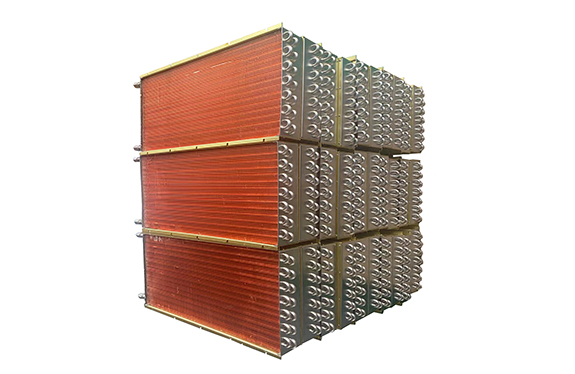
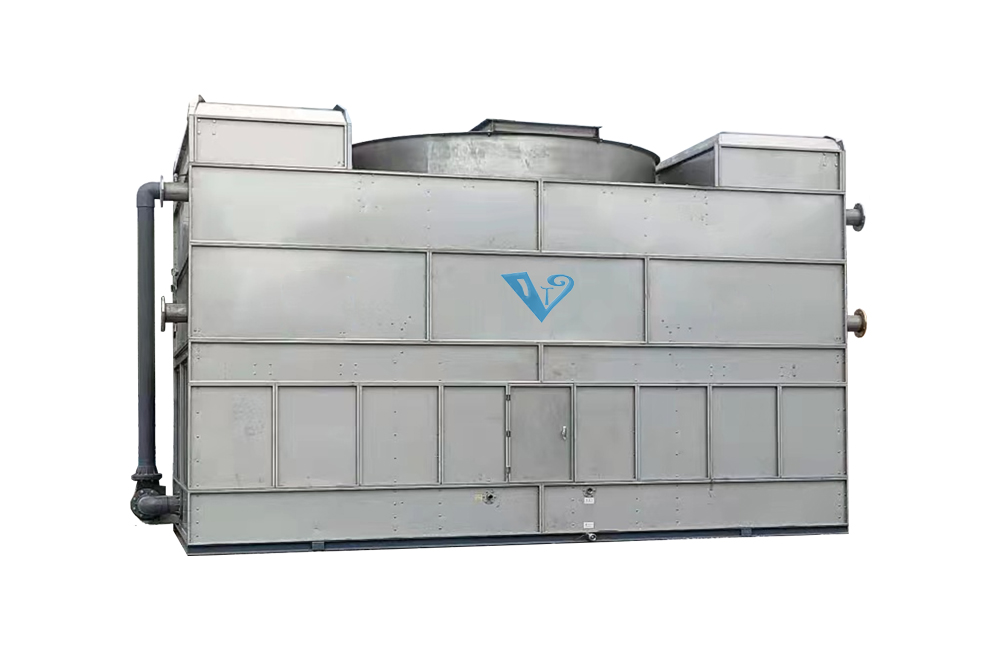
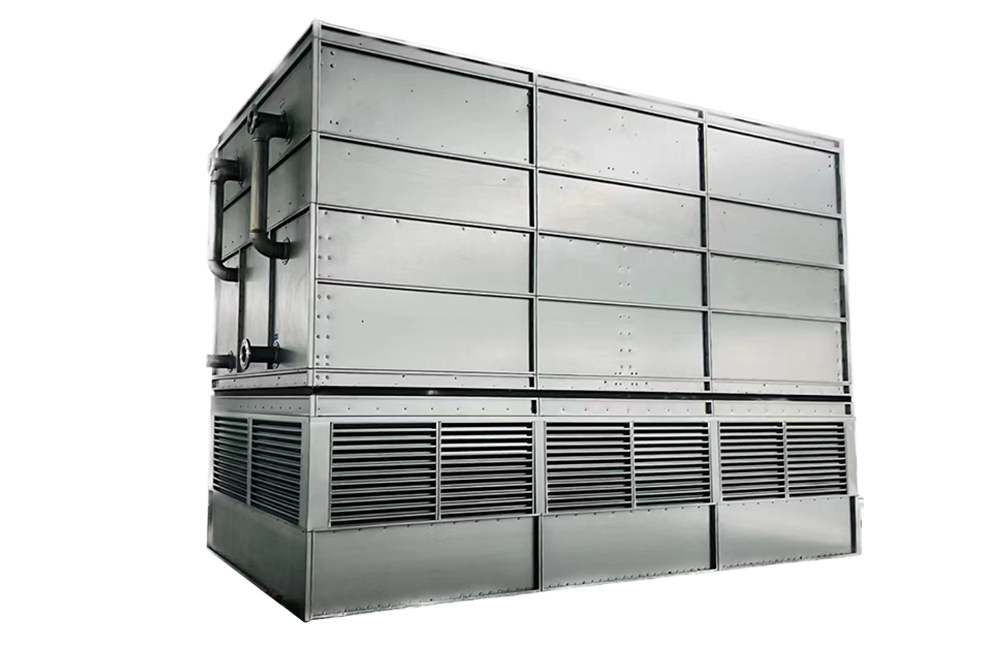
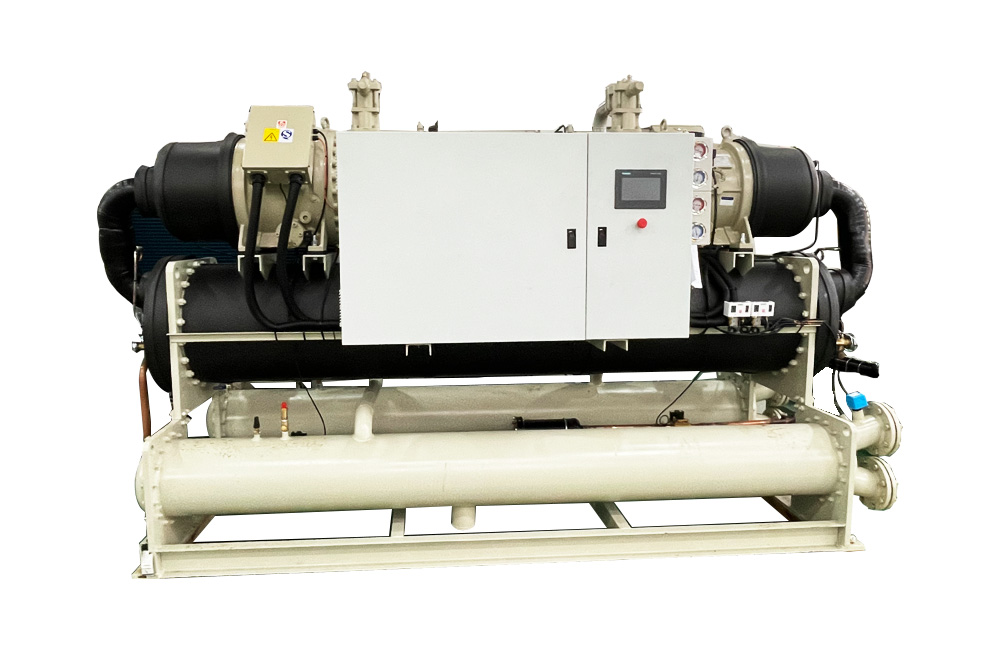
VENTTK provides dry cooler solutions for data center and industrial heat rejection applications. Depending on project requirements, equipment selection can consider cooling capacity, ambient conditions, fluid type, fan configuration, material options, and adiabatic cooling requirements.
The 42 MW U.S. data center project illustrates the importance of matching heat rejection equipment to the scale and operating conditions of a facility. By evaluating thermal loads, climate, water availability, and long-term operating costs, data center developers can make more informed equipment decisions.
Planning a data center cooling project? Contact VENTTK to discuss your heat rejection requirements and explore a dry cooler solution tailored to your application.



.jpg)
.jpg)
65.webp)
265.webp)




ft.webp?x-oss-process=image/resize,w_100/quality,q_100)
.webp?x-oss-process=image/resize,w_100/quality,q_100)
ft.webp?x-oss-process=image/resize,w_100/quality,q_100)